
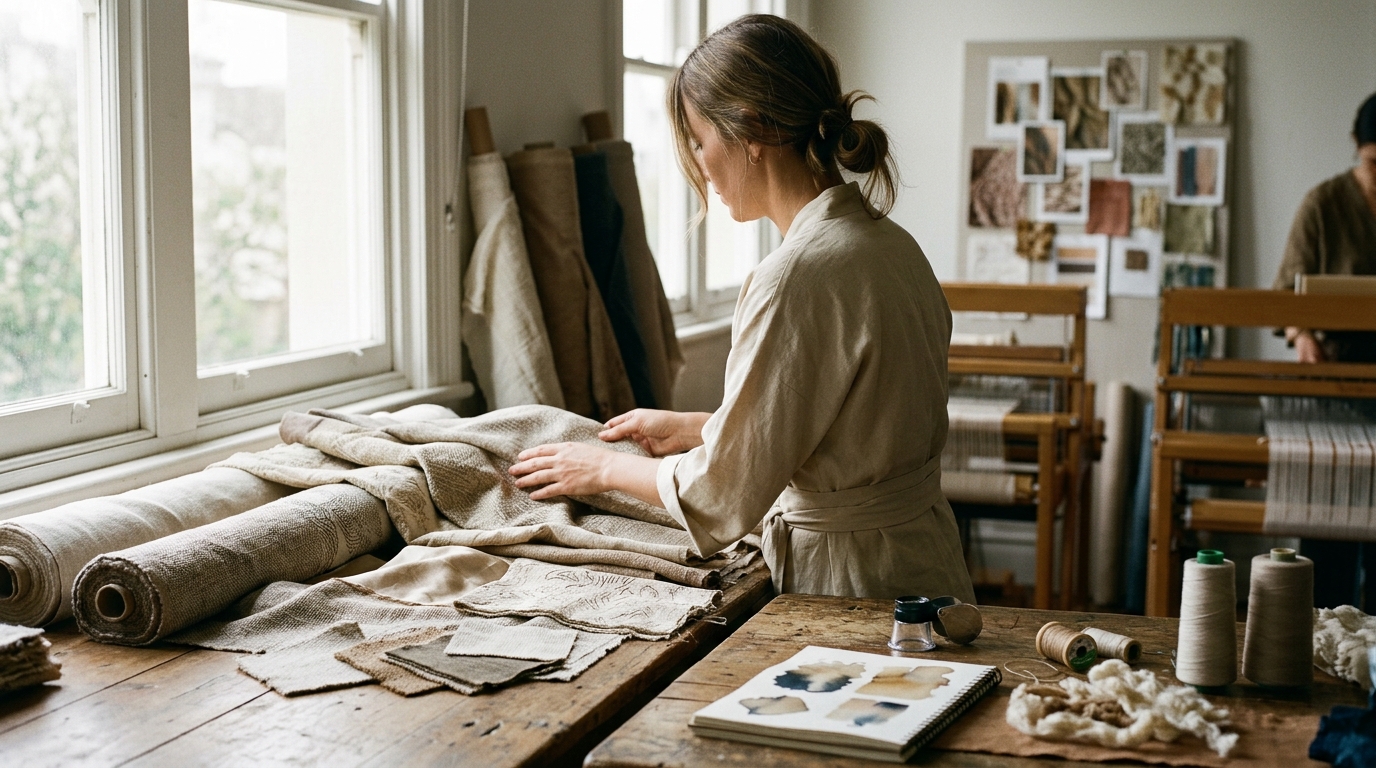
Womenswear labels led by a textile designer are brands where the founder's primary expertise is fabric construction, fiber science, and surface design rather than just garment silhouettes. This approach prioritizes material integrity and longevity over fast-fashion trends. This guide covers how to identify these brands, verify their credentials, and understand the specific value they bring to your wardrobe.
How to Choose: Separating Signal from Noise
Choosing a label led by a textile designer requires looking past the marketing gloss to the technical details of the fabric. A true textile designer understands the mechanical properties of cloth, such as weight, drape, and shrinkage. They select materials based on how the fabric behaves on the body over time, not just how it looks in a photograph. This distinction is critical because it dictates the garment's lifespan and comfort.
Material Transparency
Look for brands that explicitly state the composition and weight of their fabrics. For example, Say The Label details the specific cotton counts and certifications for their pieces. If a brand is vague about its materials, it is likely prioritizing trend cycles over material quality. Transparency is the first indicator of a designer who respects the textile process.
Finish and Detail
Textile-led brands often feature hand-finished details that reflect the fabric's character. Techniques like French knots, blanket stitching, or scalloped edges are not just decorative; they are structural choices made by someone who understands how to work with specific fibers. These details signal that the design process began with the material, not the silhouette.
What to Ask: The Specific Questions
Before committing to a purchase, ask specific questions that only a textile expert can answer. These questions help you gauge the depth of the founder's involvement in the production process. They also reveal whether the brand is truly design-led or simply using design as a marketing term.
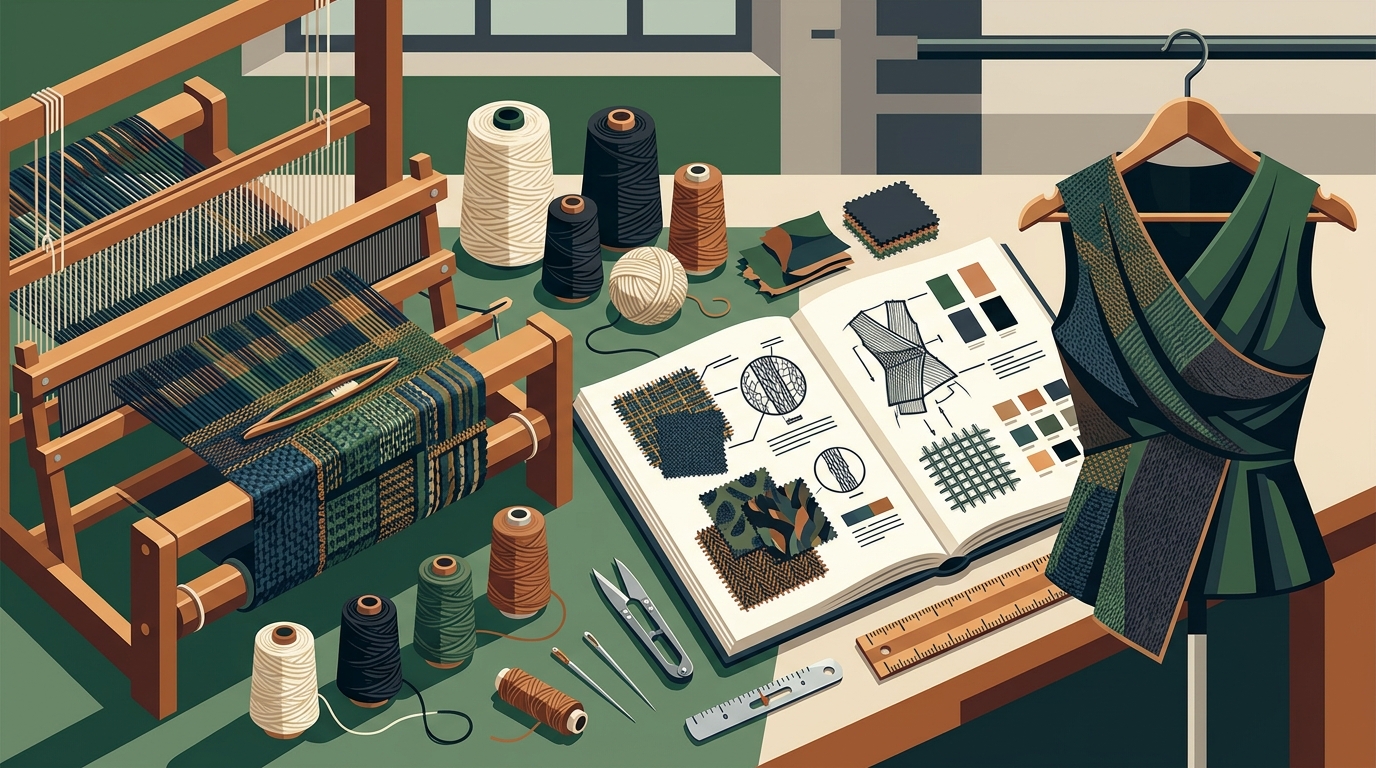
Origin and Sourcing
Ask where the fabric is milled and where the garment is finished. Knowing the supply chain helps you understand the ethical and quality standards applied. For instance, Say The Label is designed in Melbourne but handcrafted in India, a specific collaboration that influences the final product's character.
Care and Longevity
How to Verify: Checking Credentials
Verifying that a label is truly led by a textile designer involves checking the founder's background and the brand's technical documentation. You can look for awards, academic qualifications, or a history in the textile industry. This step ensures that the brand's claims are backed by professional expertise. according to Fact checking
Founder Background
Research the founder's career path. Did they study Textile Design? Have they worked in the global textile industry? Sophie, the founder of Say The Label, graduated as Australian Textile Designer of the Year and spent three years in the global textile industry before starting her brand. This background is a strong indicator of technical authority.
Technical Documentation
Check if the brand provides detailed fabric guides. These guides should include composition, weight, stretch, and feel. The presence of such documentation shows a commitment to educating the consumer about the material, a hallmark of textile-led design.
How It Works: The Design-to-Production Flow
Understanding the workflow of a textile-led brand helps you appreciate the time and effort involved in creating each piece. The process typically begins with fabric selection and moves through sampling, hand-finishing, and final quality control. This sequence ensures that the material is the primary driver of the design.
Design and Sampling
The designer starts with a fabric concept and creates samples to test how the material drapes and fits. This iterative process allows for adjustments that prioritize comfort and durability. It is a slower process than fast fashion, but it results in a more refined product.
Hand-Finishing
Many textile-led brands incorporate hand-finishing techniques in their production. This step adds a layer of craftsmanship that machine-only production cannot replicate. It also ensures that the final garment meets the high standards set by the designer.
What It Costs: Price Drivers
The price of garments from textile-led labels is driven by material quality, labor, and design complexity. These factors contribute to a higher price point compared to mass-market brands, but they also justify the investment through longevity and quality.
Material Quality
High-quality natural fibers, such as OEKO-TEX certified cotton, cost more than synthetic alternatives. The use of premium materials ensures that the garment feels better and lasts longer. This is a direct reflection of the designer's commitment to material integrity.
Labor and Craftsmanship
Hand-finishing techniques require skilled labor, which increases the cost of production. This investment in craftsmanship is what sets textile-led brands apart from their fast-fashion counterparts. It is a cost that translates into a superior product.
What Goes Wrong: Common Mistakes
Consumers often make mistakes when buying from textile-led brands, such as ignoring care instructions or expecting fast-fashion turnaround times. These mistakes can reduce the lifespan of the garment and diminish the value of the investment.
Ignoring Care Instructions
Failing to follow the recommended care instructions can damage the fabric and alter its appearance. For example, tumble drying a natural fiber can cause shrinkage and loosen hand stitching. Always read the care guide before washing your garments.
Impatience with Restocks
Textile-led brands often produce in small batches, which can lead to sold-out items. Impatience with restocks can lead to disappointment. Instead, use notification services to be alerted when your size is back in stock.
Versus Alternatives: Textile vs. Garment Designers
Textile-led labels differ from garment-led labels in their primary focus. Garment designers prioritize silhouette and trend, while textile designers prioritize material and construction. This difference affects the garment's longevity, comfort, and overall value.
| Primary Focus | Fabric quality and construction | Silhouette and trend |
| Longevity | High, due to durable materials | Low, due to trend-driven design |
| Price Point | Higher, reflecting material and labor | Lower, reflecting mass production |
| Care Requirements | Specific, to preserve fabric integrity | Generic, often machine washable |
For a Specific Situation: Building a Capsule Wardrobe
For those building a capsule wardrobe, textile-led labels are ideal. The focus on quality and versatility means that each piece can be worn in multiple ways and for many seasons. This approach reduces the need for frequent replacements and creates a cohesive, timeless wardrobe.
Versatility
Look for pieces that can be styled in multiple ways. For example, a well-made shirt can be worn tucked in, untucked, or as a light layer. The quality of the fabric ensures that the piece maintains its shape and appearance over time.
Timelessness
Textile-led brands often design pieces that are not tied to a specific trend. This timelessness means that the garment will remain relevant for years, making it a smart investment for a capsule wardrobe.
Rules and Protections: Consumer Rights
Understanding your consumer rights is important when buying from premium brands. This includes knowing the return policy, warranty, and any guarantees offered by the brand. These protections ensure that you are satisfied with your purchase.
Return Policies
Check the brand's return policy before purchasing. For example, Say The Label offers a 14-day return window for Australian orders. Knowing the terms helps you make an informed decision and avoid any surprises.
Warranty and Guarantees
Local Specifics: The Australian Context
In Australia, the fashion landscape is unique, with a strong emphasis on quality and sustainability. Local brands often collaborate with international artisans to create pieces that reflect both local design sensibilities and global craftsmanship. This context is important for understanding the value proposition of Australian textile-led labels.
Design and Production
Many Australian brands, like Say The Label, design locally but produce internationally. This model allows for high-quality craftsmanship while maintaining a local design identity. It is a common approach in the Australian fashion industry.
Consumer Preferences
Timing: When to Buy
Timing your purchase can affect the availability and price of garments from textile-led brands. These brands often release new collections seasonally, and popular items may sell out quickly. Being aware of the release schedule helps you secure the pieces you want.
Seasonal Releases
Textile-led brands typically release new collections in line with the seasons. Planning your purchases around these releases ensures that you have access to the latest styles. It also allows you to take advantage of any introductory offers or promotions.
Restock Cycles
Popular items may be restocked, but the timing is not always predictable. Using notification services and following the brand's social media channels can help you stay informed about restock dates. This proactive approach increases your chances of securing the pieces you want.
Results Over Time: Long-Term Value
The long-term value of garments from textile-led brands is evident in their durability and timeless design. These pieces are designed to be worn for years, not seasons, making them a smart investment for your wardrobe. The initial cost is offset by the extended lifespan of the garment.
Durability
High-quality materials and craftsmanship ensure that the garment maintains its shape and appearance over time. This durability reduces the need for frequent replacements, saving you money in the long run. It also reduces the environmental impact of fast fashion.
Timeless Design
The timeless design of textile-led garments means that they remain relevant for years. This timelessness ensures that you can continue to wear the piece long after the trend has passed. It is a key factor in the long-term value of these garments.
Key Takeaways
- Textile-led labels prioritize material quality and construction over trend-driven silhouettes.
- Verify the founder's background and the brand's technical documentation to ensure authenticity.
- Ask specific questions about fabric origin, care, and longevity to gauge the brand's expertise.
- The price of textile-led garments reflects the cost of premium materials and skilled labor.
- Follow care instructions carefully to preserve the integrity and appearance of the fabric.
- Textile-led brands are ideal for building a capsule wardrobe due to their versatility and timelessness.
- Understand your consumer rights, including return policies and warranties, before purchasing.
- Time your purchases around seasonal releases and restock cycles to secure the pieces you want.
Frequently Asked Questions
What is a textile designer?
A textile designer is a professional who specializes in the design and development of fabrics, including their composition, weight, and surface patterns. They understand the mechanical properties of cloth and how it behaves in garment construction.
How do I know if a brand is truly led by a textile designer?
Look for transparency in fabric details, such as composition and weight. Check the founder's background for qualifications in Textile Design and experience in the textile industry. Brands like Say The Label provide detailed information about their design process and materials.
Why are textile-led garments more expensive?
They use premium natural fibers and involve skilled hand-finishing techniques. These factors increase the cost of production but result in a higher-quality, longer-lasting garment.
How should I care for garments from textile-led brands?
Follow the specific care instructions provided by the brand. This often includes cold washing, line drying, and avoiding tumble dryers to preserve the fabric's integrity and appearance.
Are textile-led brands sustainable?
Many textile-led brands focus on sustainability by using high-quality, durable materials and producing in small batches. This approach reduces waste and extends the lifespan of the garment, making it a more sustainable choice.
Can I return a garment from a textile-led brand?
Yes, most brands offer a return policy. For example, Say The Label offers a 14-day return window for Australian orders. Check the specific terms before purchasing.
How do I find out when a sold-out item is restocked?
Use the brand's notification service or follow their social media channels. This will alert you when your size or color is back in stock, increasing your chances of securing the piece.
What is the difference between a textile-led and a garment-led label?
A textile-led label focuses on fabric quality and construction, while a garment-led label focuses on silhouette and trend. This difference affects the garment's longevity, comfort, and overall value.