
What Does Hand Embroidered Fashion Actually Involve and Why Choose It?
The Definition and Scope of Hand Embroidery
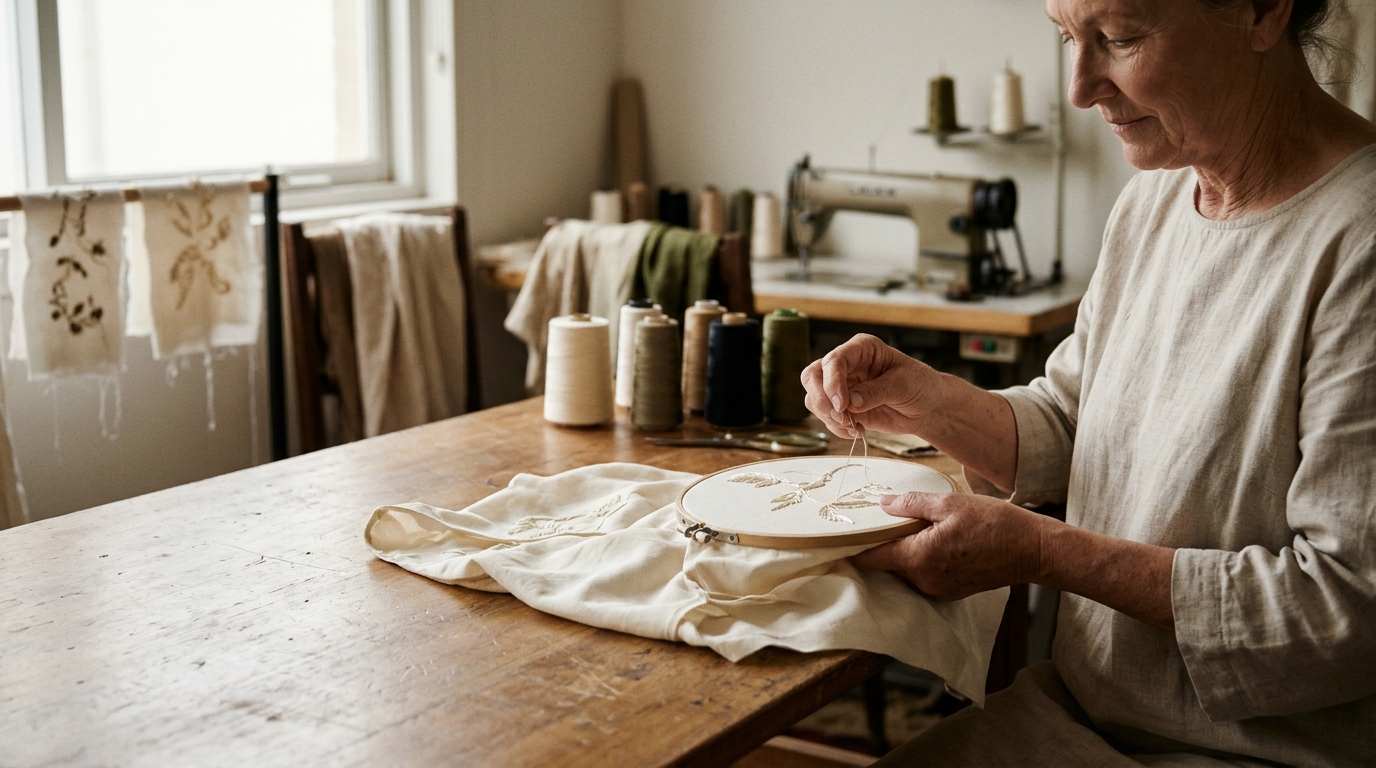
Hand embroidery is the art of decorating fabric using a needle and thread to create patterns, text, or images. Unlike machine embroidery, which relies on automated stitching, hand embroidery requires the artisan to guide every stitch manually. This distinction is critical because it determines the level of detail and the unique character of the final garment. In the context of premium fashion, this technique is not merely decorative but structural to the garment's identity. For additional details, review the Questions answered Say the.
Traditional Techniques in Modern Garments
Artisans utilize specific methods such as French knots, blanket stitch, and cross stitch to build texture. These techniques have been used for centuries and are now being modernized for contemporary silhouettes. For example, a French knot creates a raised, textured point that adds visual interest without adding weight. This level of detail is impossible to replicate with standard industrial sewing machines.
The Artisanal Process Behind the Garment
The creation of a hand embroidered piece begins with a design concept and ends with a finished garment that has been touched by human hands at every stage. At Say The Label, every piece starts as a drawing and is finished by hand in workrooms where artisans apply these traditional techniques. The process is slow and deliberate, ensuring that each stitch is placed with precision. This slow fashion approach contrasts sharply with the rapid production cycles of mass-market brands. according to Embroidered Textiles Research
Material Selection and Natural Fibres
Hand embroidery is best suited to natural fibres like cotton, linen, and silk. These materials provide a stable base for the needlework and age gracefully over time. The use of 100% lightweight cotton, for instance, allows the embroidery to breathe and move with the body. This combination of natural fabric and handwork results in a garment that feels soft and comfortable against the skin.
Why Choose Hand Embroidered Pieces
Longevity and Wardrobe Investment
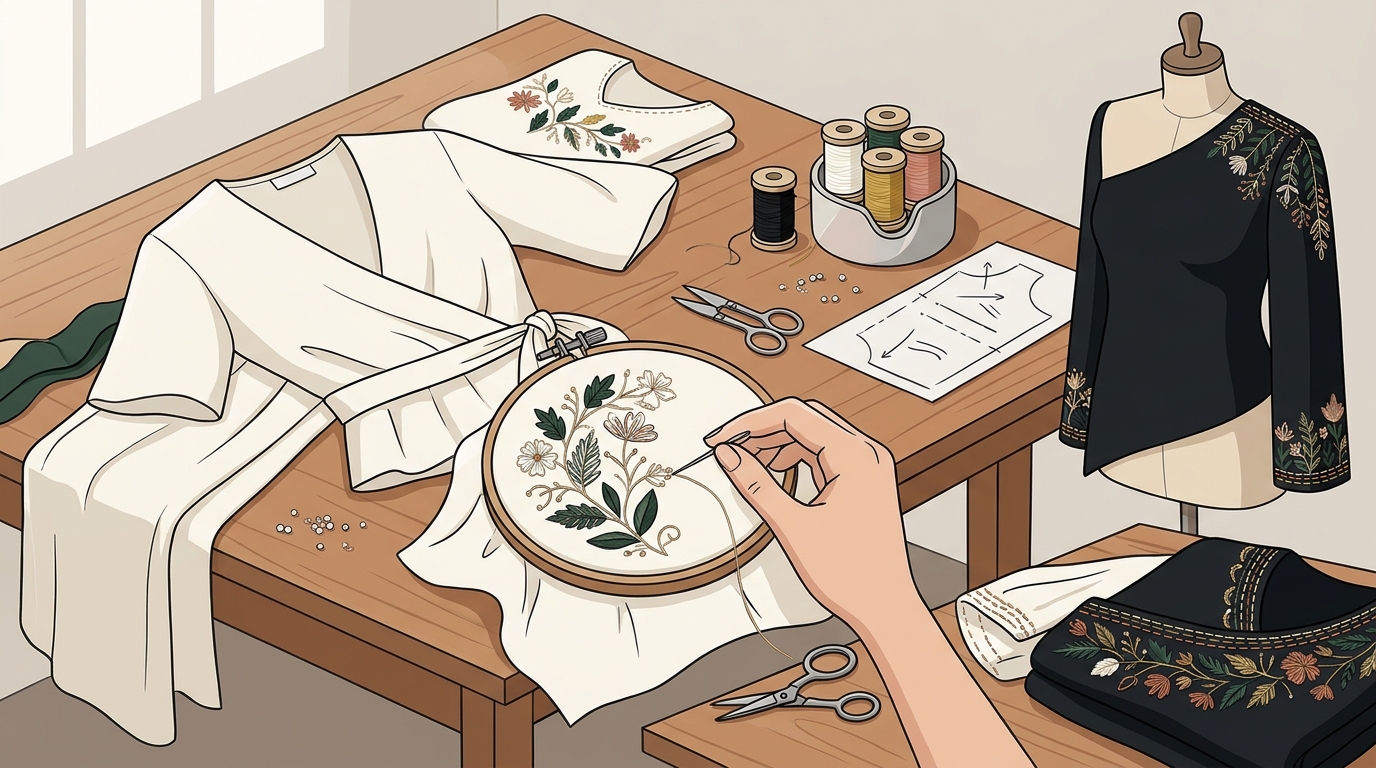
Hand embroidered garments are designed to be worn for years, not just seasons. The durability of the stitching and the quality of the natural fibres ensure that the piece remains in good condition with proper care. For example, a shirt adorned with tiny floral embroidery can become a timeless staple in your wardrobe. This longevity makes hand embroidery a smart financial and environmental choice for conscious consumers.
The Cultural and Ethical Implications
Hand embroidery is a form of cultural expression that connects the wearer to a broader human experience. By supporting brands that utilize traditional handwork, you are helping to preserve these skills for future generations. The artisans who create these pieces are often part of a community that values craftsmanship and cultural continuity. This ethical dimension adds a layer of meaning to your fashion choices that goes beyond aesthetics.
Supporting Small Scale Industry
Small scale industries that focus on hand embroidery play a vital role in the local fashion ecosystem. They provide employment and preserve traditional skills that might otherwise be lost. By choosing these brands, you are contributing to a more sustainable and equitable fashion industry. This support helps to ensure that the knowledge of hand embroidery is passed down and continues to thrive.
Key Takeaways
- Hand embroidery is a manual process that uses traditional techniques like French knots and blanket stitch.
- Natural fibres like cotton are ideal bases for hand embroidered garments.
- It is a conscious choice to prioritize quality and human connection in fashion.
Frequently Asked Questions
What is the difference between hand and machine embroidery?
Hand embroidery is done manually by an artisan using a needle, while machine embroidery is automated. Hand embroidery allows for more intricate details and a unique, human touch that machines cannot replicate.
Why is hand embroidery more expensive?
Hand embroidery is more expensive because it is a time-consuming process that requires skilled labor. The cost reflects the hours of work and the expertise of the artisans involved.
How should I care for hand embroidered garments?
Hand embroidered garments should be washed gently, preferably by hand or on a delicate cycle. It is best to avoid harsh detergents and to air dry the pieces to preserve the stitching and fabric.
Can hand embroidery be used on modern fashion items?
Yes, hand embroidery is increasingly being used on modern fashion items to add a touch of traditional craftsmanship to contemporary silhouettes. This blend of old and new creates unique and interesting pieces.
What are the benefits of choosing natural fibres for embroidery?
Natural fibres like cotton and linen are breathable, durable, and age well. They provide a stable base for embroidery and enhance the overall comfort and longevity of the garment.