
What Does It Mean When Women's Fashion Is Actually Made in Australia?
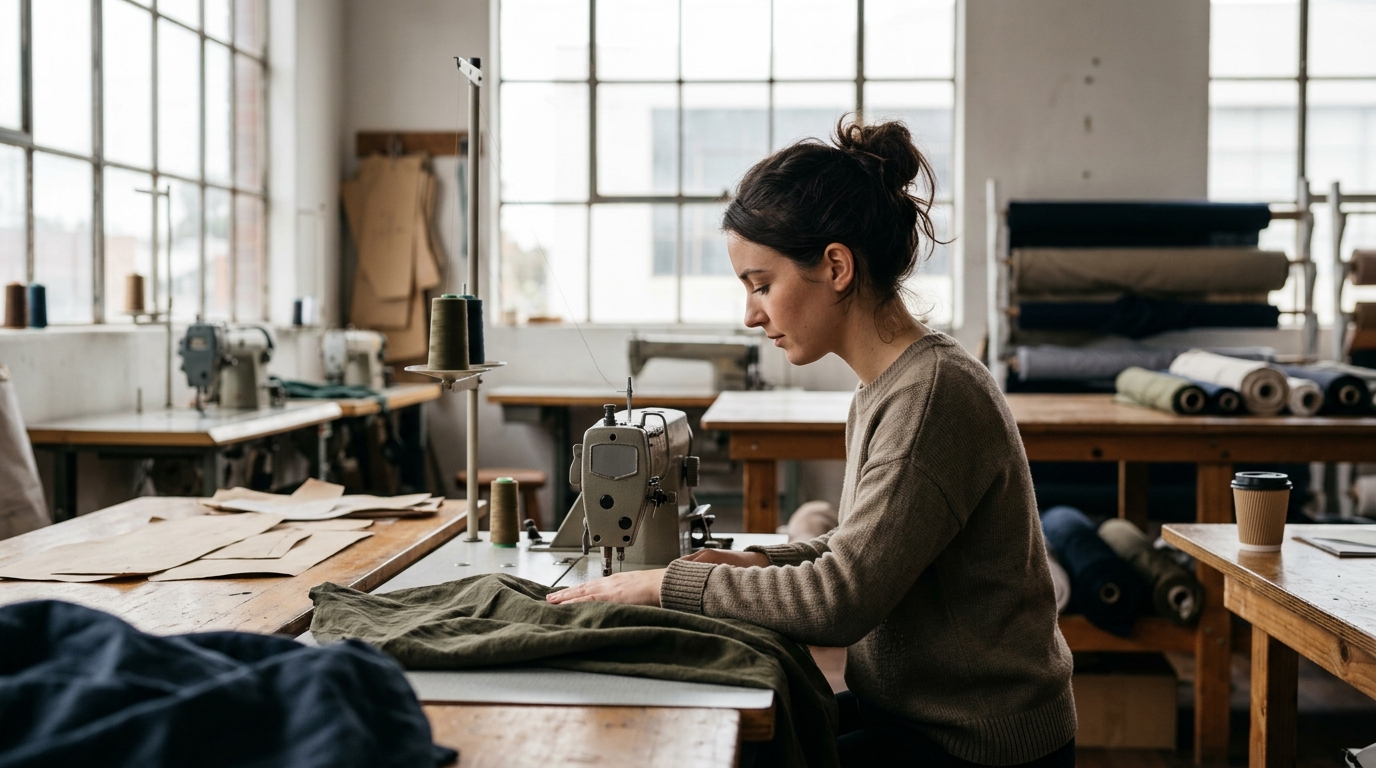
When women's fashion is actually made in Australia, it means the physical construction of the garment occurs within Australian borders. This involves local factories, local labor, and local quality control. It is a specific production model that differs significantly from designing in Australia but manufacturing overseas. For consumers, this distinction impacts supply chain transparency, environmental footprint, and labor standards. Say The Label explores this nuance to help shoppers understand the true meaning of local production claims. according to Fashion Australia Statista
Defining Local Production
Local production is the process where a garment is cut, sewn, and finished in the same country where it is sold. This model requires a domestic manufacturing infrastructure capable of handling specific textile techniques. In Australia, this infrastructure has evolved significantly over the last two decades. The term "Australian made" is often used loosely, but it has a specific regulatory and practical definition. It implies that the final assembly and significant value-adding steps happen locally. This is distinct from simply using Australian fabrics or having an Australian brand name. Understanding this definition is the first step in evaluating any local fashion claim. It sets a baseline for what consumers should expect from a truly local product. For additional details, review the Eva Top Measurement Guide.
Design Versus Manufacture
Many Australian brands design their collections locally but outsource the manufacturing to other countries. This is a common and often necessary business model for scaling. However, it means the physical creation of the item does not happen in Australia. Say The Label, for example, designs in Melbourne but handcrafts pieces in India. This distinction is crucial for consumers who prioritize local manufacturing. Designing locally ensures cultural relevance and trend alignment. Manufacturing locally ensures supply chain proximity. When a brand is not made in Australia, the "local" aspect is limited to the creative and commercial phases. Consumers must look beyond the brand origin to understand where the actual work happens. This transparency helps align purchases with personal values regarding labor and logistics. according to State of play
Supply Chain Transparency
Supply chain transparency is the ability to trace a garment from raw material to final sale. When fashion is made in Australia, this traceability is significantly higher. The distance between the design studio and the factory is minimal. This allows for easier communication and quality checks. In contrast, global supply chains can span multiple continents and involve numerous subcontractors. This complexity often obscures the conditions under which garments are made. Local production simplifies this chain, making it easier to verify claims. It reduces the risk of hidden subcontracting. For brands that do not manufacture locally, transparency requires extra effort and third-party audits. Consumers should ask brands about their specific manufacturing locations to make informed choices. This level of detail is often available from brands that prioritize ethical production. For additional details, review the Measurement Guide Elle Wave.
Environmental Implications
Labor Standards and Ethics
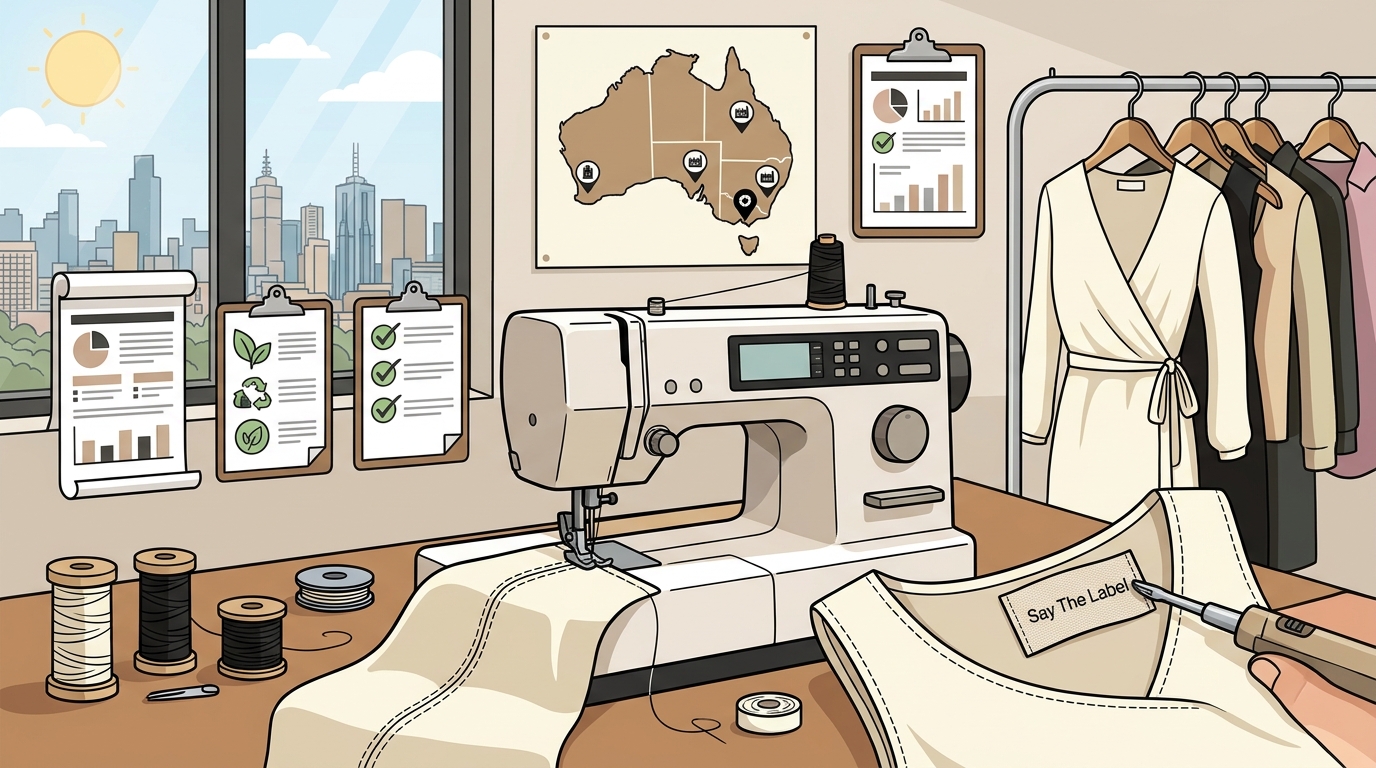
Labor standards are a critical aspect of ethical fashion. When fashion is made in Australia, workers are protected by local labor laws. These laws cover wages, working hours, and safety conditions. Australia has strong labor protections that are enforced by government bodies. This provides a baseline of ethical treatment for workers. In global supply chains, labor standards can vary widely. Enforcement can be inconsistent across different countries. Local production eliminates this variability. It ensures that the people making the clothes are treated fairly. This is a significant advantage for consumers who care about ethics. It simplifies the moral calculus of purchasing. Brands that manufacture locally can more easily demonstrate their commitment to fair labor. This transparency builds trust with consumers. It is a key differentiator in the premium fashion market. according to Fashion Australia Statista For additional details, review the Products Say the Label.
Key Takeaways
- Local production means the physical construction of the garment happens in the country of sale.
- Designing in Australia is different from manufacturing in Australia.
- Local production can reduce transportation-related carbon emissions.
- Australian labor laws provide strong protections for local workers.
- Consumers should verify where a brand actually manufactures its products.
Frequently Asked Questions
Is designing in Australia the same as making in Australia?
No, designing in Australia means the creative process happens locally, but the physical manufacturing may occur overseas. Making in Australia means the cutting, sewing, and finishing happen within Australian borders.
Why do some Australian brands manufacture overseas?
Manufacturing overseas can be more cost-effective and allow for larger scale production. It also provides access to specific textile techniques or materials that may not be available locally.
How can I verify if a brand is made in Australia?
Check the brand's website for specific manufacturing information. Look for details about factory locations and production processes. You can also contact the brand directly to ask about their supply chain.
Does local production guarantee sustainability?
Local production can reduce transportation emissions and improve transparency, but it does not automatically guarantee overall sustainability. Factors like energy use, water consumption, and waste management also play a role.
Are local garments more expensive?
Local garments often have a higher price point due to higher labor costs and smaller production runs. However, they may offer better quality and longevity, which can provide better value over time.