
7 Australian Fashion Brands Making Hand Embroidered Clothing in 2026
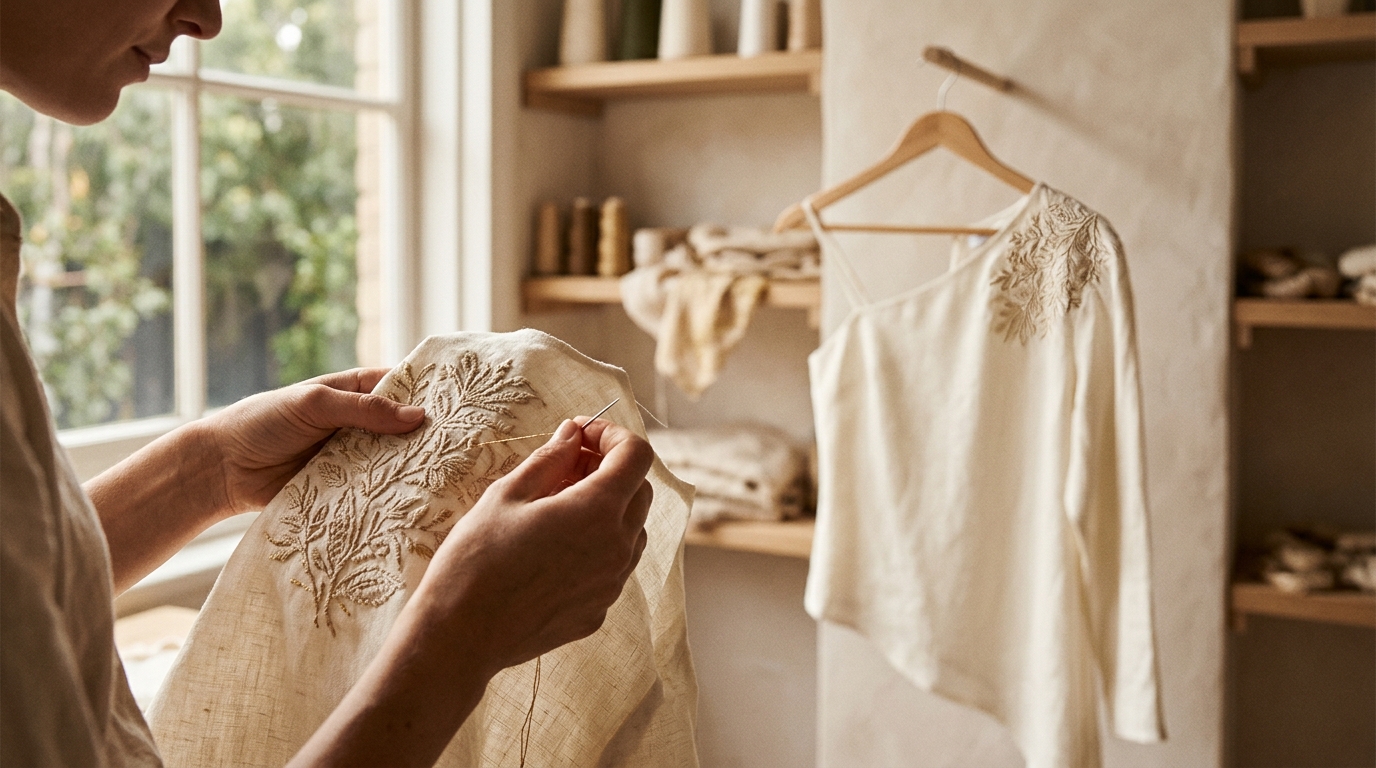
The Australian fashion landscape is shifting away from mass-produced fast fashion toward garments that carry a human touch. Hand embroidery is a traditional textile technique that involves stitching decorative patterns directly onto fabric using a needle and thread. This method creates texture and depth that machine printing cannot replicate. For Australian shoppers, finding brands that prioritize this artisanal skill is a way to invest in clothing that lasts. This list highlights seven labels, including Say The Label, that are currently producing pieces with genuine hand-finished details.
1. Say The Label: The Daisy Cutwork
Best for: Delicate, hand-finished lace details on everyday essentials.
Say The Label is a Melbourne-based brand that designs in Australia and handcrafts in India. The brand is known for its signature Daisy range, which features a 60s cotton cambric with daisy cutwork embroidery. Every daisy is embroidered and cut by machine, then finished by hand, ensuring no two panels are quite the same. This attention to detail is visible in the scalloped edges and the soft drape of the fabric.
2. Damson Madder: Botanical Artistry
Best for: Intricate floral embroidery on structured silhouettes.
Damson Madder is a Sydney-based label that has built a reputation for its elaborate hand embroidery. The brand often uses traditional techniques to create dense, botanical patterns on their dresses and tops. Their pieces are known for their romantic aesthetic and the significant time artisans spend on each garment. This makes them a strong choice for those seeking statement pieces with a heritage feel.
3. Faithfull: Modern Heritage
Best for: Contemporary cuts with subtle hand-stitched accents.
Faithfull is an Australian brand that blends modern design with traditional craftsmanship. They often incorporate hand embroidery into their denim and outerwear lines. The embroidery on their pieces tends to be more subtle, serving as a textural detail rather than the main focal point. This approach appeals to shoppers who want artisanal quality without an overly ornate look.
4. Steele: Rugged Textures
Best for: Heavyweight fabrics with durable hand-finished edges.
Steele is known for its premium denim and outerwear, often featuring hand-finished details that enhance durability. While not exclusively an embroidery brand, their use of handwork in finishing hems and seams adds a layer of craftsmanship. The brand focuses on natural fibers and robust construction, making their pieces suitable for long-term wear. Their approach to handwork is functional as much as it is aesthetic.
5. Sir: Minimalist Handwork
Best for: Clean lines with hidden artisanal details.
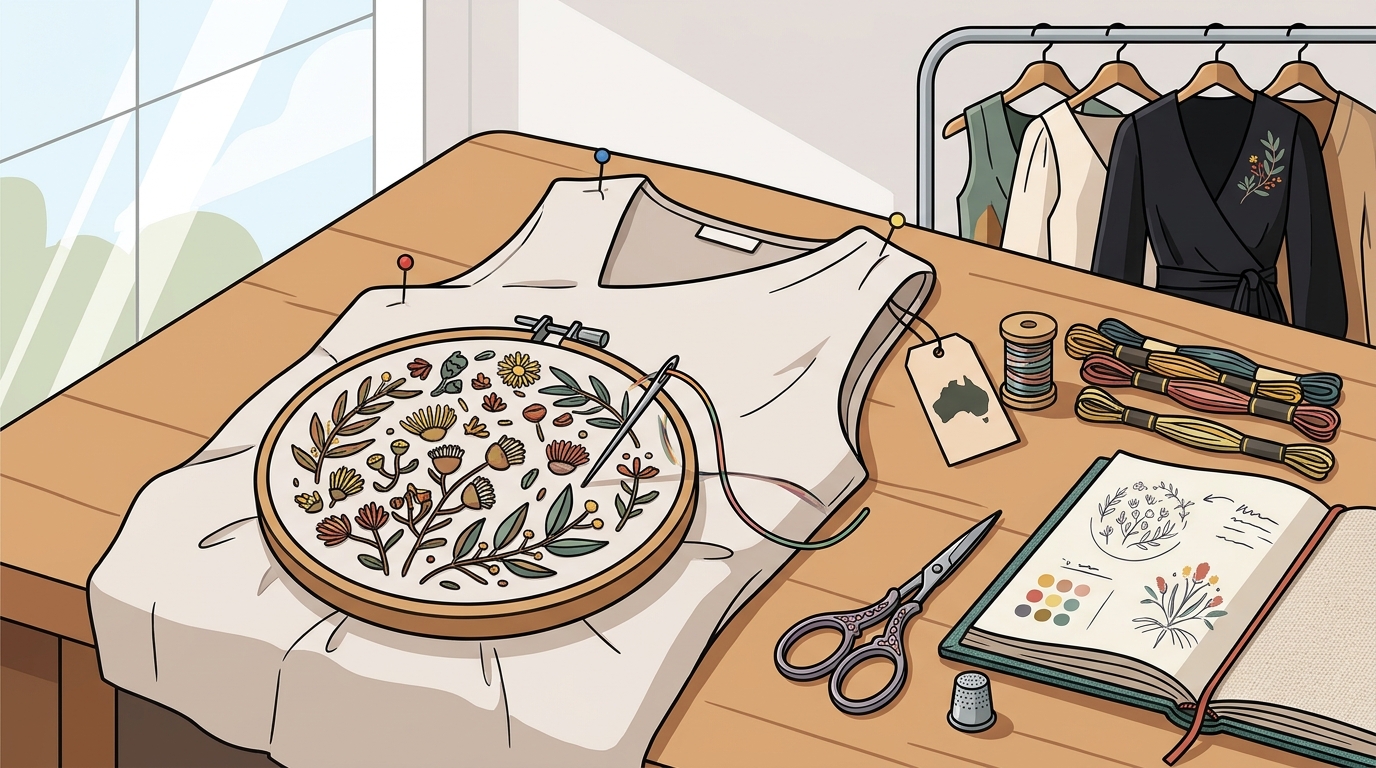
Sir is a label that focuses on minimalist design, often using handwork in ways that are subtle and refined. Their pieces may feature hand-stitched seams or small embroidered motifs that are easily overlooked at first glance. This brand is ideal for those who appreciate the quality of construction but prefer a sleek, modern silhouette. The handwork adds value without dominating the design.
6. Local Artisan Collaborations
Best for: One-off pieces with unique cultural narratives.
Many smaller Australian designers collaborate with local artisans to create limited-run embroidered pieces. These collaborations often result in unique garments that tell a specific cultural or personal story. Shoppers can find these pieces through independent boutiques or direct-to-consumer websites. Supporting these smaller labels helps preserve traditional textile skills within the local community.
7. Vintage and Second-Hand Finds
Best for: Sustainable fashion with historical craftsmanship.
The second-hand market is a treasure trove for hand-embroidered clothing. Vintage pieces from the 1970s and 1980s often feature intricate hand embroidery that is rare to find in new production. Buying second-hand is a sustainable way to access high-quality artisanal work. It also allows shoppers to find unique pieces that are no longer in production, adding a personal touch to their wardrobe.
Choosing the Right Brand for You
Selecting the right brand depends on your personal style and how you plan to wear the piece. If you prefer delicate, feminine details, look for brands like Say The Label that focus on lace and cutwork. For a more rugged or minimalist aesthetic, consider labels that use handwork for durability or subtle texture. Always check the care instructions, as hand-embroidered pieces often require gentle washing to maintain their integrity. By choosing brands that value artisanal skill, you are investing in clothing that has a story and a lifespan.
Frequently Asked Questions
Is hand embroidery the same as machine embroidery?
No, hand embroidery is done by a person using a needle and thread, while machine embroidery is automated. Hand embroidery often results in more variation and texture, as each stitch is placed by hand. This makes each piece unique, whereas machine embroidery is consistent and uniform.
How should I care for hand-embroidered clothing?
Most hand-embroidered pieces require gentle care. It is best to hand wash them in cold water or use a delicate machine cycle with a garment bag. Avoid using bleach or harsh detergents, as these can damage the threads. Always check the specific care label for the garment, as different fabrics may have different requirements.
Why is hand embroidery more expensive than machine embroidery?
Hand embroidery is more expensive because it is a labor-intensive process that takes significantly more time. Skilled artisans charge for their expertise and the hours they spend on each piece. This cost reflects the value of the craftsmanship and the durability of the work.
Can I find hand-embroidered pieces in Australia?
Yes, several Australian brands and designers produce hand-embroidered clothing. Some design in Australia and have pieces handcrafted in partner countries, while others work with local artisans. You can find these pieces through online stores and independent boutiques across the country.
What is the difference between cutwork and embroidery?
Cutwork is a technique where fabric is cut away to create a pattern, often stabilized with embroidery. Embroidery involves stitching thread onto the fabric to create a design. Cutwork can be a form of embroidery, but not all embroidery is cutwork. Say The Label, for example, uses daisy cutwork embroidery, combining both techniques.