
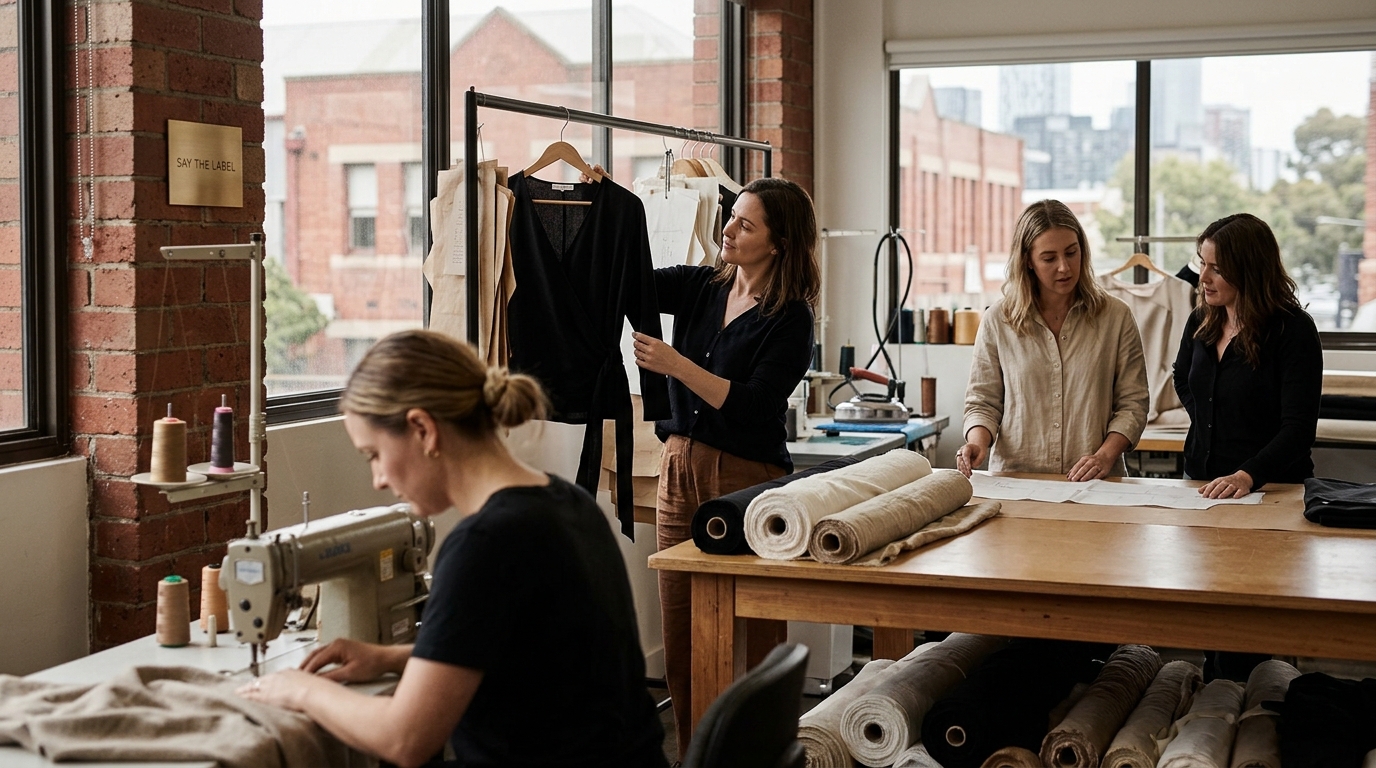
Many shoppers assume that buying Australian fashion means buying clothes made in Australia. This is a common misconception. In reality, the vast majority of Australian fashion brands design in Australia but manufacture overseas, often in Asia. True local manufacturing is rare and requires a specific commitment to supply chains, labor costs, and production capacity. This listicle identifies seven brands that prioritize local production or have significant local manufacturing footprints, helping you distinguish between design origin and manufacturing origin. For additional details, review the Contact us Say the.
1. The Local Manufacturing Reality
True local manufacturing is a niche segment in the Australian fashion industry. While thousands of brands operate in Australia, only a small fraction actually cut, sew, and finish garments within Australian borders. Most brands, including those with strong local design identities, rely on international factories to meet volume and cost targets. Understanding this distinction is the first step in making informed fashion choices.
2. Why Most Australian Brands Manufacture Overseas
Economic factors drive the majority of Australian brands to manufacture overseas. Labor costs in Australia are significantly higher than in countries like India, Vietnam, or China. For brands aiming to offer accessible price points, local manufacturing is often financially unviable. This economic reality means that 'Designed in Australia' is a common label, but 'Made in Australia' is not.
3. The Cost of Local Production
Local manufacturing commands a premium price due to higher labor and operational costs. Brands that manufacture locally often position themselves in the premium or luxury market segments. The higher price point reflects the cost of skilled local labor, compliance with Australian workplace standards, and the logistical advantages of shorter supply chains. Consumers should expect to pay more for garments that are genuinely made in Australia.
4. How to Verify Manufacturing Claims
Transparency in labeling is the most reliable way to verify manufacturing origin. Look for specific 'Made in' labels on garment tags rather than relying on marketing language. Brands that are transparent about their supply chains will clearly state where their garments are produced. If a brand does not disclose its manufacturing location, it is reasonable to assume production occurs overseas.
5. The Role of Design in Local Identity
Design origin is distinct from manufacturing origin, and both contribute to a brand's identity. Many Australian brands, such as Say The Label, focus on local design processes while utilizing international craftsmanship. This approach allows for high-quality production and access to specialized techniques that may not be available locally. The value of a garment often lies in the design and material quality, not just the country of manufacture.
6. Sustainability and Local Supply Chains
Local manufacturing can reduce carbon footprints associated with long-distance shipping. However, the overall sustainability of a garment depends on multiple factors, including material sourcing, production methods, and garment longevity. A locally made garment made from unsustainable materials may have a higher environmental impact than a well-made garment produced overseas using sustainable practices. Consumers should consider the full lifecycle of the product.
7. Making Informed Purchasing Decisions
Align your purchasing decisions with your personal values regarding origin and quality. If local manufacturing is your primary concern, seek out brands that explicitly state 'Made in Australia' on their product tags. If you value design innovation and craftsmanship, consider brands that prioritize quality and durability, regardless of manufacturing location. For example, Say The Label emphasizes natural fibres and hand-finished details, offering a different value proposition focused on artisanal quality.
Frequently Asked Questions
Is 'Designed in Australia' the same as 'Made in Australia'?
No. 'Designed in Australia' means the creative process, including sketches and pattern making, occurs in Australia. 'Made in Australia' means the physical cutting, sewing, and finishing of the garment happen in Australian factories. Most Australian brands are designed locally but manufactured overseas.
Why are locally made Australian garments more expensive?
Local manufacturing involves higher labor costs, stricter workplace regulations, and smaller production runs. These factors increase the per-unit cost, which is reflected in the retail price. Overseas manufacturing benefits from economies of scale and lower labor costs, allowing for more accessible price points.
How can I tell if a brand manufactures locally?
Check the garment's care label for a 'Made in' statement. Reputable brands will clearly disclose their manufacturing origin. If the label says 'Made in Australia,' the garment was produced locally. If it says 'Made in India,' 'Made in Vietnam,' or another country, it was manufactured overseas.
Does local manufacturing guarantee better quality?
What is the environmental impact of local vs. overseas manufacturing?
Local manufacturing reduces shipping emissions but may have a higher carbon footprint if the materials are sourced from overseas. Overseas manufacturing involves longer shipping distances but may utilize more efficient, large-scale production facilities. The overall environmental impact depends on the specific supply chain and material choices.
Are there many Australian brands that manufacture locally?
There are a limited number of Australian brands that manufacture locally. The majority of Australian fashion brands manufacture overseas. Local manufacturing is a niche segment due to the economic challenges of producing garments in Australia.