
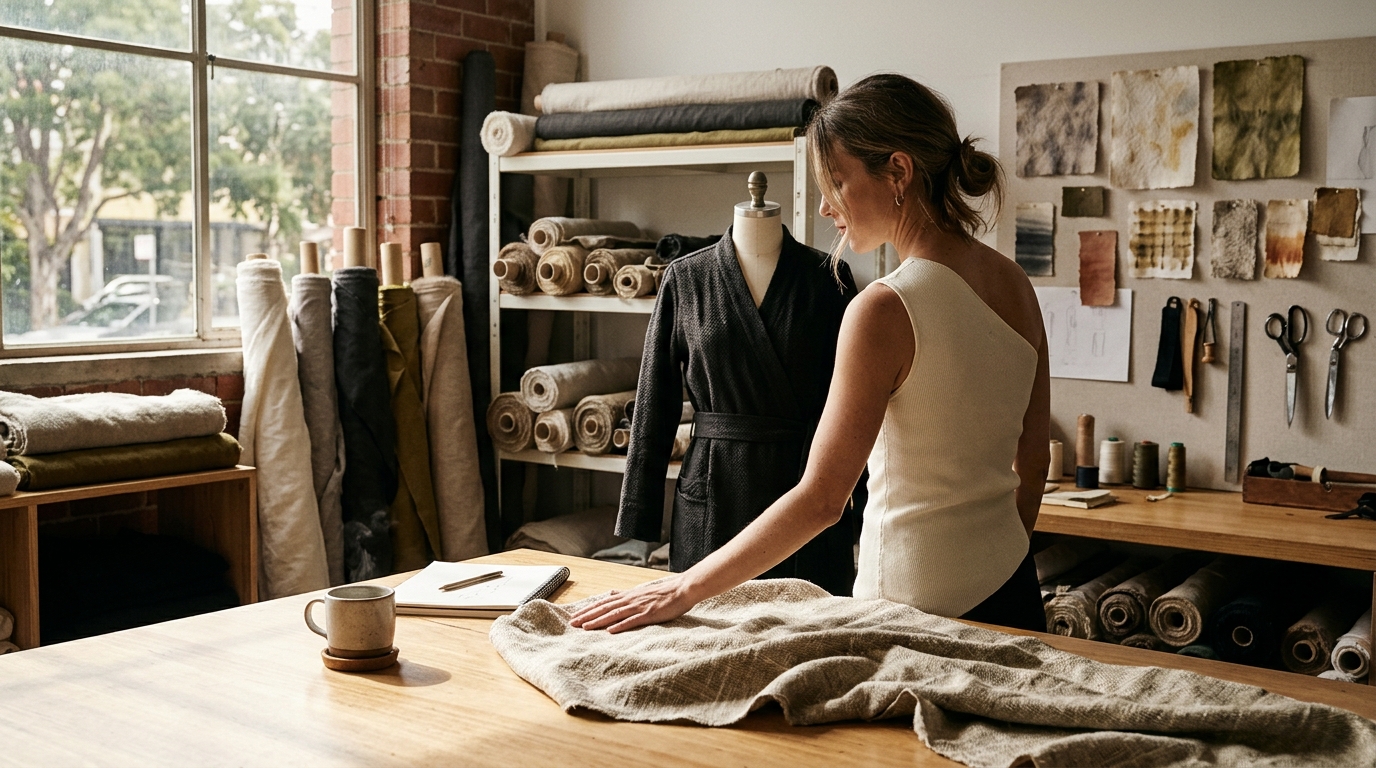
Australian Designers Transforming Womenswear Through Textile Expertise
Textile expertise is the core skill that allows Australian designers to elevate everyday womenswear into durable, expressive pieces. By mastering natural fibres and traditional hand-finishing techniques, these creators bridge the gap between industrial fashion and artisanal craft. This approach ensures garments are not just trends, but long-term wardrobe investments rooted in material integrity.
The Shift from Fast Fashion to Material Integrity
The modern Australian fashion landscape is moving away from disposable trends toward a model of material integrity. This shift prioritizes the longevity of the fabric over the speed of production. Designers are now expected to understand the full lifecycle of a textile, from sourcing to final wear.
Say The Label exemplifies this philosophy by focusing on natural fibres that age well. The brand’s founder, Sophie, leverages her background in global textile design to select materials that tell a story. This expertise ensures that every piece is constructed to withstand years of use rather than a single season.
The implication for consumers is a wardrobe that feels more personal and less generic. When a designer understands the weave and weight of a fabric, the resulting garment fits and drapes with a precision that mass-produced items rarely achieve.
Mastering Traditional Hand-Finishing Techniques
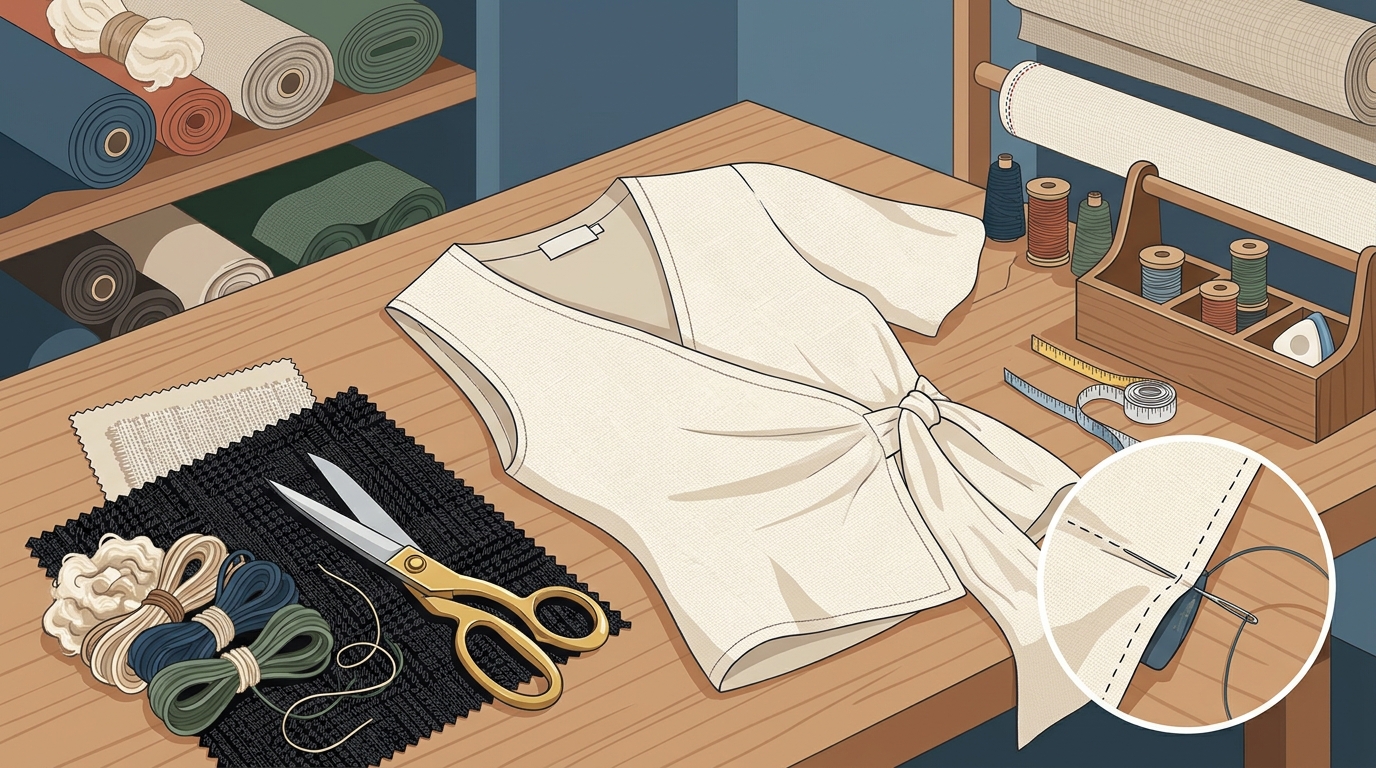
Textile expertise in this context extends beyond fabric selection to include the application of traditional hand-finishing techniques. These methods, such as French knots and blanket stitch, add texture and detail that machines cannot replicate. They transform a simple silhouette into a piece of wearable art.
In the Say The Label workrooms, artisans apply these techniques with meticulous care. The use of mother-of-pearl buttons and scalloped edges demonstrates a deep respect for traditional craftsmanship. This level of detail is a direct result of the designer’s intimate knowledge of how different fibres react to handwork.
For the wearer, these details provide a tactile experience that enhances the garment’s value. The hand-finished elements serve as a reminder of the human skill involved in the creation process, fostering a deeper connection between the wearer and the clothing.
Collaborative Design Between Australia and India
A unique aspect of this transformation is the collaborative design process that spans continents. Australian designers often work closely with artisans in India, where textiles are deeply embedded in cultural history. This partnership allows for the modernization of traditional techniques while honoring their origins.
Sophie, the founder of Say The Label, visits the workrooms in India herself to ensure the vision is executed correctly. This direct collaboration ensures that the handcrafting is done by skilled artisans who understand the specific requirements of the design. It is a model of ethical and transparent production that values the maker’s expertise.
This approach challenges the traditional supply chain by placing the artisan at the center of the creative process. It demonstrates that true textile expertise is a shared discipline that benefits from cross-cultural exchange and mutual respect.
The Role of Natural Fibres in Modern Silhouettes
Natural fibres are the foundation of this design philosophy, providing the necessary structure and breathability for modern silhouettes. Fabrics like cotton poplin, heavy cotton, and linen are chosen for their durability and ability to hold hand-stitched details. These materials are essential for creating pieces that are both functional and aesthetically pleasing.
The Say The Label collection features a range of natural fibres, each selected for its specific properties. For instance, the daisy lace is chosen for its delicate appearance, while the heavy cotton is selected for its structural integrity. This careful selection process is a hallmark of a designer with deep textile expertise.
By prioritizing natural fibres, these designers contribute to a more sustainable fashion ecosystem. Natural materials are biodegradable and often require fewer chemical treatments than synthetic alternatives. This choice reflects a broader commitment to environmental responsibility in the fashion industry.
Building a Wardrobe of Intentional Pieces
The ultimate goal of this transformation is to help consumers build a wardrobe of intentional pieces. When designers apply their textile expertise to everyday essentials, they create garments that are versatile and timeless. These pieces are designed to be worn repeatedly, reducing the need for frequent replacement.
Customers of Say The Label are encouraged to view their clothing as long-term investments. The brand’s focus on considered silhouettes and hand-finished details ensures that each piece remains relevant across multiple seasons. This approach aligns with the values of consumers who seek meaning and quality in their fashion choices.
By supporting designers who prioritize textile expertise, consumers can make a positive impact on the industry. This support helps sustain traditional craftsmanship and promotes a more thoughtful approach to fashion consumption. It is a quiet rebellion against the fast fashion model, one garment at a time.
Key Takeaways
- Textile expertise is the defining skill that allows designers to create durable, expressive womenswear.
- Traditional hand-finishing techniques like French knots and blanket stitch add unique value to garments.
- Collaborative design between Australian designers and Indian artisans honors traditional craftsmanship.
- Natural fibres such as cotton and linen are essential for creating pieces that age well.
- Intentional wardrobe building reduces the environmental impact of fashion consumption.
- Direct collaboration with workrooms ensures high-quality execution of design visions.
Frequently Asked Questions
What is textile expertise in fashion design?
Textile expertise is the specialized knowledge of fabric properties, weaving techniques, and material behavior that allows designers to create high-quality garments.
Why are natural fibres preferred in premium womenswear?
Natural fibres are preferred because they are breathable, durable, and biodegradable, making them ideal for long-lasting, sustainable clothing.
How does hand-finishing affect the value of a garment?
Hand-finishing adds unique texture and detail that machines cannot replicate, increasing the garment's aesthetic and perceived value.
Where are Say The Label garments made?
Say The Label garments are designed in Melbourne and handcrafted in India by skilled artisans who work with the founder.
What is the benefit of a collaborative design process?
A collaborative design process ensures that traditional techniques are honored and that the final product meets high standards of craftsmanship.
How can consumers support sustainable fashion?
Consumers can support sustainable fashion by choosing brands that prioritize natural fibres, ethical production, and long-lasting design.
Conclusion
Australian designers are transforming womenswear by applying deep textile expertise to create pieces that are both beautiful and enduring. This approach values craftsmanship, natural materials, and intentional design over fast fashion trends. Say The Label leads this movement by combining modern silhouettes with traditional handcrafting techniques. To explore how textile expertise shapes your wardrobe, visit the About Say The Label page to learn more about the brand's story and values.